
Scorecard tools for accountability and action help improve health service delivery. These tools identify gaps, inform data-driven decision-making, and guide action planning.
In Kakamega County, Kenya, two facilities used scorecard evidence to mobilise KSh 85 million (US$657,000) in partner investment for maternity care. Nzoia Dispensary drew on RMNCAH (reproductive, maternal, newborn, child and adolescent health) scorecard data showing a sharp drop between antenatal attendance and skilled delivery. Matungu Sub-County Hospital drew on community feedback from the community scorecard about overcrowding and poor conditions.
Nzoia Dispensary: turning antenatal scorecard data into resources for skilled delivery close to home
Nzoia Dispensary, in Likuyani sub-county, opened in September 2022 as a level 2 facility. The dispensary serves as a community outpatient centre offering basic services. By 2025, the catchment population grew from 7,000 to 7,500. Many expectant mothers attended all antenatal care visits, from the first through to the eighth visit. While the facility is not properly equipped for deliveries, 11 mothers with uncomplicated cases delivered at Nzoia Dispensary between 2022 and 2025. Most mothers chose to deliver at home due to the long distance to comprehensive delivery facilities, or they sought care at these facilities, often facing significant transport barriers.
We had many mothers willing to deliver here, but we didn’t have the structures.
Wycliffe Juma, nursing officer in-charge, Nzoia Dispensary
In May 2025, Nzoia Dispensary turned this into an opportunity. When a former cabinet secretary visited, staff presented their challenges. Wycliffe Juma, the facility lead, showcased the RMNCAH scorecard. The data showed strong antenatal care attendance but highlighted a critical drop-off at delivery. This illustrated the need for better infrastructure to support maternal care. The cabinet secretary requested a proposal, which the facility prepared, using data from the scorecard.
I was able to write a proposal, attaching the RMNCAH indicators, first ANC visits, those who came up to 8 visits, and the low delivery numbers to show that mothers were getting lost on the way and had nowhere to seek services.
Wycliffe Juma, nursing officer in-charge, Nzoia Dispensary
The cabinet secretary used the proposal to mobilise KSh 55 million from M-PESA Foundation (charitable arm of the telecommunications giant – Safaricom) towards the construction and full equipping of a dedicated maternity wing at Nzoia Dispensary.
With construction underway and completion expected by July 2026, the new maternity wing holds remarkable meaning for the community. The facility will be upgraded, and for the first time, mothers in the catchment area can deliver with skilled birth attendant support close to home. The development will also introduce new services, including:
- new diagnostics at the doorstep: Ultrasound and laboratory services will be available in the community, reducing the need for mothers to travel long distances for diagnostic care during pregnancy.
- increased capacity and scope: The facility will be elevated from Level 2 to Level 3, unlocking additional services and more staff.
- skilled delivery close to home: Reducing the distance barrier that has contributed to home deliveries, thereby improving maternal and neonatal outcomes
Matungu Sub-County Hospital: turning community feedback into a new maternity wing
Matungu Sub-County Hospital serves one of the busiest catchment areas in Kakamega County, Kenya. The hospital receives thousands of patients each year, including expectant women from both its catchment and neighbouring areas. The facility records the third-highest number of deliveries in Kakamega County. Despite this, the quality-of-care community scorecard revealed major gaps in maternity service delivery.
Community dialogues highlighted several challenges, including:
- poor hygiene in the maternity wing
- inadequate sanitation infrastructure
- inappropriate handling by some attendants
- a physical environment that could not adequately accommodate the number of women seeking care.
As a result, women in labour were sometimes forced to share beds during peak periods, compromising both privacy and clinical safety.
The community scorecard is basically a component of social accountability. We have moved away from a situation where it is the doctor who knows. Now, communities are informed and have questions. They raise their voices through formal and informal structures, and we must listen. It is a good thing for us and the community.
Steven Wandei, Director of Medical Services, Kakamega County
In 2024, the hospital’s health management team moved quickly to address some of these concerns. New bathroom and lavatory facilities were constructed in the maternity wing, and medical waste disposal systems were properly organised.
However, concerns about the size of the maternity wing persisted. As a result, delivery rates at the facility dropped in 2025 to levels below its usual average, as mothers increasingly preferred neighbouring facilities with better maternity infrastructure.
Through the community scorecard process, we received reports on what community members felt about the delivery of services at Matungu Sub-County Hospital. When we held community dialogues, complaints emerged about how squeezed the maternity area was and the inadequacy of the infrastructure and equipment there. The community scorecard heavily influenced our decision to approach partners.
Dr Zakayo Omutanyi, Matungu Sub-County, Ministry of Health
Armed with community scorecard data and hospital statistics, the health management team approached potential partners with a documented, evidence-grounded case for investment. Jacaranda Health responded, committing about KSh 30 million to the construction of an entirely new maternity wing.
Now, four months into operations, the transformation is already visible, with delivery rates at the facility steadily rising again.
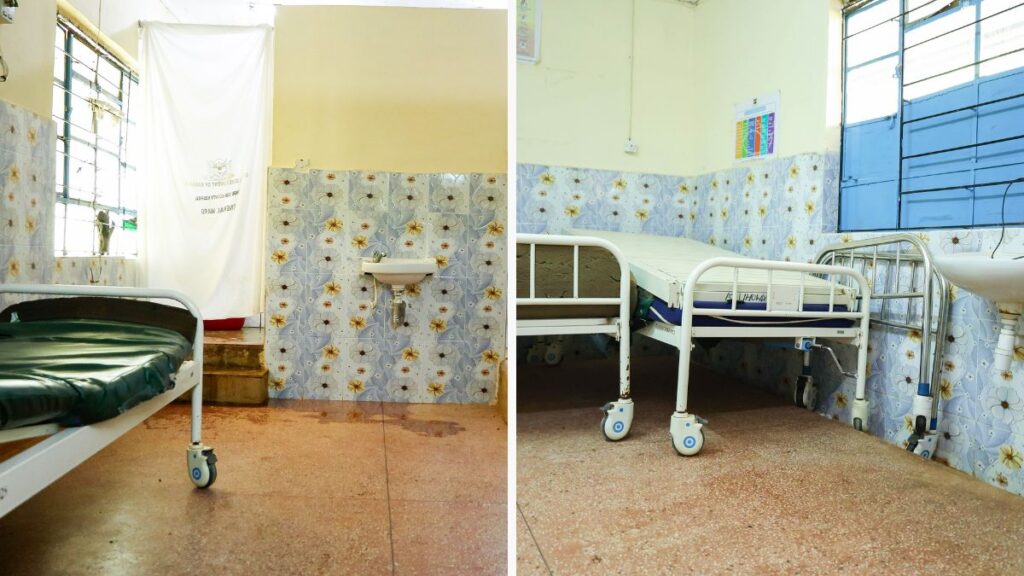
Before
- Four delivery rooms with shared beds during peak periods
- No way to separate antenatal and postnatal mothers
- No proper ablution block that provides shared washing and toilet facilities
- No capacity for complicated procedures
- Women’s privacy and dignity compromised
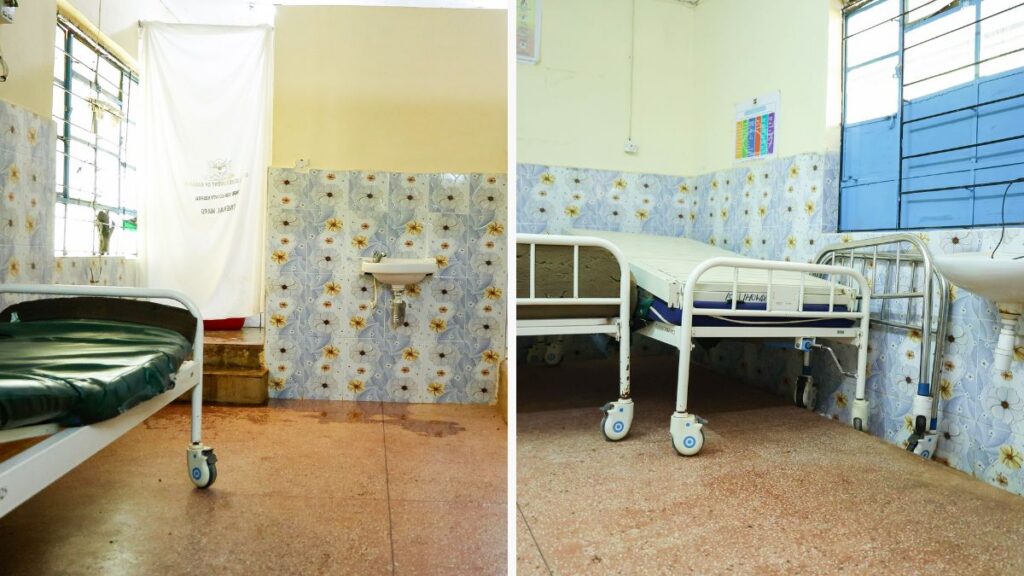
After
- 44-bed capacity
- Each mother with her own cubicle
- Separate labour ward, ANC room and postnatal room
- Hot showers and full washrooms, accessible at any time
- A clinical officer on station for complicated cases
- Patient pathways that prevent cross-infection
Conclusion
Scorecard tools in Matungu and Likuyani sub-counties in Kakamega County, Kenya provided evidence-based proof that attracted partner funding. These tools gave partners confidence that their investments would reach the areas of greatest need, making the scorecards powerful advocacy tools for resource mobilisation.