
Zambia’s End Malaria Council successfully engages the Zambian President, His Excellency Hakainde Hichilema, helping to secure high-level Presidential commitments in the fight against malaria. They achieve this through a data-driven approach, strong multisectoral collaboration, and having clear, specific requests for support. This approach offers practical lessons for other End Malaria Councils and malaria programmes.
Zambia has made remarkable progress in reducing malaria. However, ending malaria needs everyone to work together across different sectors. Strong political leadership is needed to keep malaria as a priority, secure the increased domestic funding needed to fill gaps, and involve businesses, government institutions and communities.
End Malaria Councils and Funds (EMCs) are country-owned and country-led, multisectoral forums that bring together senior leaders from government, the private sector, civil society and the community to support the fight against malaria. The Zambia End Malaria Council was launched in 2019. The mission of the council is to ‘achieve a malaria-free Zambia’ through:
- advocating for malaria to remain high on the national development agenda
- mobilising in-kind and financial commitments to address gaps and bottlenecks in the national malaria strategic plan
- mutual accountability between sectors to achieve the council’s mission
Data-driven leadership: the power of the malaria scorecard
Zambia is one of more than 40 African countries using digital scorecard management tools to drive progress against malaria through ALMA’s Scorecard Web Platform. Scorecard tools help track sub-national health performance, identify problems and gaps, keep people accountable and drive evidence-based action.
An additional tool, the Workplan Manager, helps turn challenges identified in the scorecard tool into concrete, actionable items. Each item in the work plan has a designated owner, a clear deadline and a tracked status, creating a closed-loop accountability system.
During quarterly End Malaria Council meetings, the national malaria elimination programme presents the latest scorecard data, offering stakeholders an overview of:
- accomplishments: milestones in prevention, treatment and surveillance
- challenges: identifying systemic gaps that hinder progress
- actionable insights: enabling quick, evidence-based interventions
In 2025, a review of the scorecard, informed by insights from the work plan, showed that strong political support was needed to keep up progress. The council knew they had to increase their work with government leaders and build better ways of working together that align with the government’s top priorities.
From data to action: engaging Presidential leadership
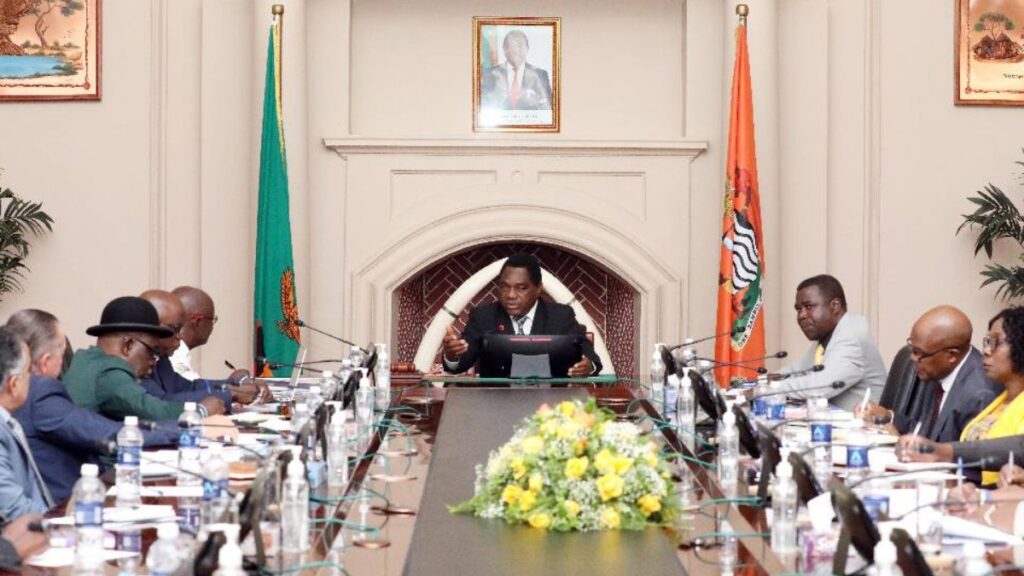
Turning political will into real action is vital. The council set up a meeting with His Excellency Hakainde Hichilema, President of Zambia, for June 2025. They involved the President’s Health Advisor from the start to get support and align with the President’s priorities.
The End Malaria Council developed a compelling, data-driven narrative using the malaria scorecard tool to highlight programme gaps and progress. The final pitch was strategically aligned with national development goals, emphasising the economic impact of malaria. They focused particularly on the mining sector, which is a priority for the President. It included specific requests for policy support, local manufacturing initiatives, and greater private-sector engagement.
The meeting with the President focused on communities most at risk, particularly women and children under five. The council made an emotional appeal by highlighting that four people die from malaria every day in Zambia, more than from COVID-19 or cholera. They highlighted the unique challenges posed by malaria and called for intensified efforts through alignment with broader national health initiatives.
Impact of the meeting: transforming political will into action
The meeting was a major step forward in the fight against malaria in Zambia. The President acknowledged that his role had been “under-utilised”. He shared his story of having malaria as a child, underscoring his understanding of the human impact of the disease. He said ministries such as education, local government, rural development, and agriculture must all help in a whole-of-society approach.
The meeting yielded specific, actionable commitments, transforming political will into concrete next steps:
- Policy support: The President committed to supporting policies that promote local manufacturing of malaria commodities, as well as regulations on the importing of malaria-related commodities.
- Leveraging influence: The President pledged to use his convening power and network to mobilise private-sector support for various initiatives such as the ‘Buy a Bicycle’ campaign, which provides bicycles for Zambia’s community health workers.
- Fundraising initiatives: The President committed to leading fundraising events to mobilise resources for malaria elimination. This translated into immediate action when the President hosted a national golf tournament in October 2025, bringing together private-sector leaders. This helps pave the way for future engagements, such as hosting private-sector roundtables and engaging CEOs directly to mobilise resources.
- Accountability: The President asked the End Malaria Council to list its priorities and create a President’s Malaria Checklist. Commitments were added to the work plan tool, and the Office of the President now has access to check progress on the checklist. A high-level task team was set up, including the President’s health advisor, the health minister and council leaders, to follow up and ensure accountability.
Key lessons for other countries
Zambia’s experience offers valuable insights for other countries seeking to strengthen political leadership for health priorities:
- Continued engagement with leadership: Regular engagement with senior officials helps to sustain momentum and make sure malaria remains a priority on the national agenda.
- Adequate advance planning: Clarity in communicating requests increases the likelihood of a successful high-level engagement. It is essential to clearly articulate the critical importance of malaria funding, especially when there may be perceptions that existing efforts are sufficient.
- Clear, specific and achievable asks: Avoid vague requests for “more support.” Zambia succeeded by requesting clear policy support, a fundraising event, and the direct use of the President’s convening power.
- Strategic use of data: Using data on malaria can help leaders see why action is urgently needed. Presenting clear, actionable data through scorecard tools makes a compelling case for funding and support.
- Structured documentation and tracking: ALMA’s Workplan Manager lets everyone track progress in real time and help make sure commitments are kept after meetings.
- Multisectoral collaboration is fundamental: Defeating malaria needs engagement from all sectors, including other government ministries, not just health. This shows malaria is a national development issue, not just a health issue.
Conclusion
Zambia’s End Malaria Council used its innovative data-driven, multisectoral approach to engage the President and turn political will into actionable accountability. Through this work, the council has created a template to ensure the fight against malaria remains agile, evidence-based, and driven by the highest level of political commitment.